

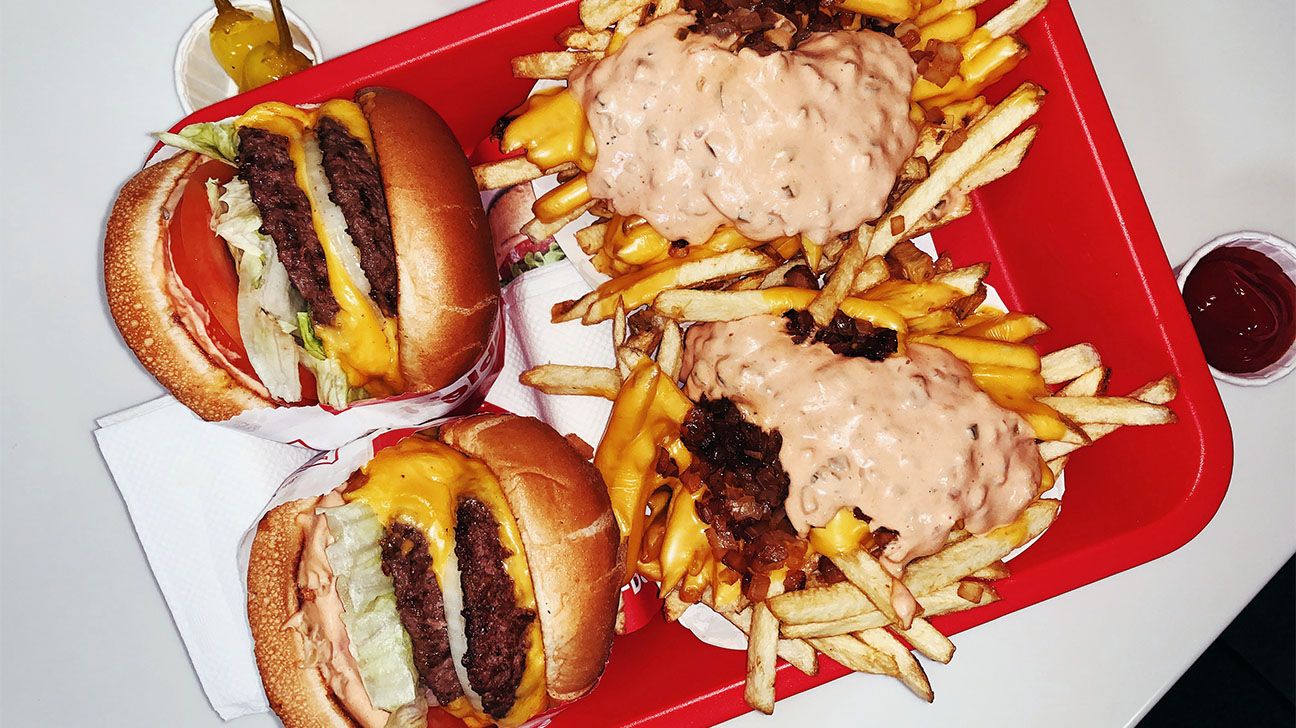
- One new analysis found that ultraprocessed foods (UPFs) are potentially just as habit-forming as tobacco products.
- The researchers observed that these foods are designed to boost reward and accelerate the absorption of rewarding components.
- The “addictive” quality of such products implies they drive uncontrollable eating and interfere with appetite regulation.
- The review authors propose that ultraprocessed foods should be subject to controls akin to those for cigarettes.
Currently, there is no single standardized description of ultraprocessed foods. Many define them as products that include ingredients you would not typically use in a personal cupboard, for instance emulsifiers and artificial substances.
Many professionals employ the NOVA classification to classify ultraprocessed foods. This talks about products that are “formulations of components, primarily of manufacturing origin, usually produced by a set of industrial techniques and processes.”
A recent analysis released by The Millbank Quarterly proposed that ultraprocessed foods may be just as habit-forming as cigarettes.
“It is my view with these findings, as UPFs are deliberately designed to be extremely attractive to many consumers,” commented a bariatric surgeon not affiliated with the study.
Data from 2023 estimates that over 73% of the food supply in the US is classified as highly processed.
“Tobacco and ultraprocessed foods are not just whole foods but carefully designed delivery systems designed specifically to optimize physical and mental reinforcement and habitual overuse,” explained the new study’s authors.
Can UPFs Addictive?
The paper integrated insights from addiction, public health history, and nutrition in order to highlight textural and compositional characteristics that enhance the addictive quality of both cigarettes and UPFs.
“It’s not all people is ‘addicted’’ to these foods, but for a meaningful minority, they trigger classic habit-forming behaviors: intense desires, inability to stop, and persistent consumption even with harmful consequences,” explained a preventive cardiology dietitian.
“These foods are purposely formulated with processed carbohydrates, added fats, salt, and taste additives to optimize reward and repeat consumption, and the industry uses persuasive advertising strategies, especially aimed at young people,” she added.
The authors focused on five key areas:
- delivery speed
- hedonic engineering, or creating products to be extremely pleasurable
- dose optimization
- environmental ubiquity
- misleading changes, or “health washing”
The study concluded that, similar to tobacco, UPFs are carefully calibrated to deliver the right dose of sweetness.
“Refined carbohydrates trigger the feel-good chemical release via the a key neural pathway, whereas lipids do so via intestinal lipid sensing,” the researchers wrote.
“… Ultraprocessed foods with significant amounts of refined carbohydrates and extra oils are some of the most strongly reinforcing foods in the modern diet. Importantly this processed carb and fat combination is rarely found in nature.”
The way these foods quickly deliver “feel-good” chemicals to the mind renders them potentially addictive, in a comparable way to tobacco.
The review stated that while tobacco are engineered to deliver nicotine quickly, UPFs are engineered to rapidly digest and absorb, as they usually have little to no fiber. This makes it easier for the system to process lipids and carbohydrates more quickly.
Authors also note that UPFs give intentional flavor bursts that dissipate rapidly and textures that melt in your mouth. This all helps to trigger more dopamine and prompts you to eat more.
‘Wellness Branding’ in Cigarettes, Ultraprocessed Foods
Based on the analysis, both the cigarette and food sectors have historically employed a tactic known as “health washing.”
This refers to when products are marketed and reformulated to generate an perception of less danger while maintaining the core of their properties.
Health washing in the tobacco industry gained traction in the mid-20th century with the advent of filter tips on cigarettes.
These were sold as protective innovations that would trap tar and particles before they reached the respiratory system. In reality, these tips offer little significant protection.
However, people typically adjusted by inhaling deeper or increasing consumption, which offset any decrease in harmful intake.
The food industry has adopted a similar strategy. It uses packaging claims like “reduced fat” or “sugar-free” to promote UPFs.
Yet, these foods still contain the very addictive formulations. The problem is that these changes offer a superficial appearance of wellness while the product’s addictive structure and health risks persist unchanged.
Ought UPFs Be Regulated?
The authors stated at the end of their paper that food and smoking products are not the same thing.
Nevertheless, they cautioned that certain ultraprocessed foods act like highly optimized products rather than real nourishment. They proposed that public health policy should reflect this distinction.
“Cigarettes offers a cautionary tale, and smoking regulations offers a source of potential,” the authors wrote.
Because of policies, smoking rates in the United States have fallen and have “reshaped public perception of tobacco and eroded trust in the sector.”
“I believe increased education regarding the harmful effects of UPFs is crucial to lower general consumption and enhance public health. The approaches employed to curb cigarette use have been effective and may be a useful blueprint for UPFs as well,” said one expert.
“It is not my view UPFs ought to be regulated exactly like cigarettes, but they do warrant more robust, tobacco-inspired policies: marketing restrictions, clear front-of-package labeling, stricter standards on wellness assertions, and restrictions in educational institutions or medical facilities,” noted another nutrition professional.
The authors pointed out to people that lightly altered and unprocessed foods have supported human health for thousands of years.


